
In Narok County, bordering Tanzania and connected to the Serengeti ecosystem.
Masai Mara Kenya
Masai Mara Kenya Guide
The Maasai Mara is not just a safari destination. It is a living savannah ecosystem shaped by grasslands, rivers, predators, migration, Maasai culture, and changing light across open country.
The Reserve
The northern Mara-Serengeti ecosystem
The Maasai Mara National Reserve sits in south-western Kenya and connects ecologically with Tanzania's Serengeti. Its open plains, riverine forests, seasonal streams, escarpments, and surrounding conservancies create one of Africa's most famous wildlife landscapes.
The name is rooted in the Maasai people and the spotted character of the land. From above, the plains appear dotted with shrubs, acacia trees, shadows, and cloud patterns, giving the Mara its distinctive visual identity.
A compact but wildlife-rich national reserve with surrounding private conservancies.
Lion prides, cheetahs, leopards, river crossings, open plains, and dramatic seasonal movement.
Raptors, grassland birds, waterbirds, migrants, and colorful savannah species.
Wildlife
Big cats, plains game, and year-round sightings
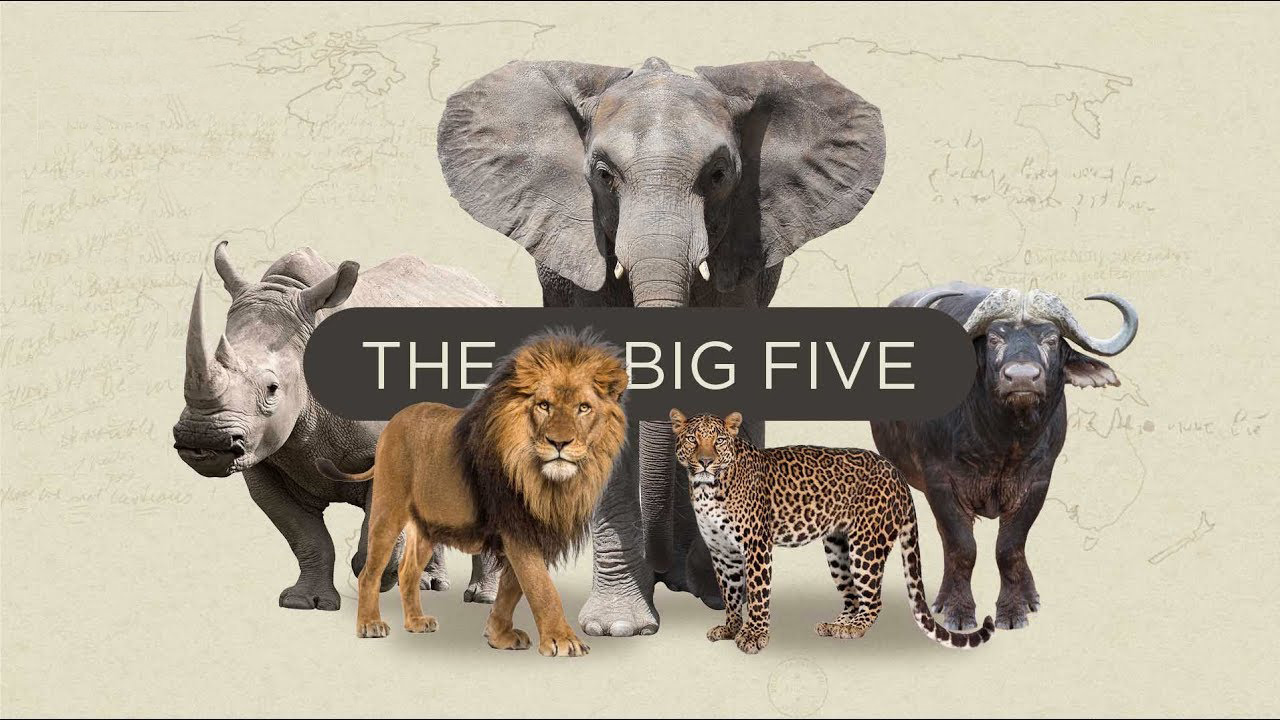
The Mara is famous for predators. Lions are often seen on the open plains, cheetahs use the grasslands for speed and visibility, and leopards are more often associated with riverine cover and thickets.
Elephants, giraffes, buffalo, zebras, hippos, crocodiles, hyenas, jackals, warthogs, topi, eland, impala, gazelles, and many other species move through the reserve and conservancies. The result is a landscape that rewards patient observation at almost any time of year.
Great Migration
The migration is seasonal. The Mara is not.
The Maasai Mara is best known for the Great Migration, when large numbers of wildebeest and zebra move through the wider ecosystem in search of grazing. In the Mara, this movement is commonly associated with July to October, though exact timing shifts with rainfall, grass, and herd behavior.
Mara River crossings depend on herd movement, water levels, pressure from predators, and grazing conditions. Good guiding and patience matter.
Even outside migration months, the Mara has strong resident game and excellent predator viewing.
Private and community conservancies around the reserve can offer varied scenery, lower vehicle density, and different activity options.
Best Time
When to visit Masai Mara
There is no single perfect month. The best time depends on whether you want migration drama, quieter camps, green landscapes, birdlife, value, or classic dry-season wildlife concentration.
Warm, clear game-viewing months
Good visibility, resident wildlife, and a quieter safari rhythm after the festive season.
Green season and dramatic skies
Fresh grass, fewer vehicles, active birdlife, and softer lodge availability in many areas.
Migration season
The Mara is famous for wildebeest and zebra movement, with river crossings depending on rain and grazing patterns.
Short rains and renewed plains
A beautiful shoulder season with lush color, newborn antelopes, and strong predator activity.
Conservancies
Maasai heritage and community conservation
The Mara is part of Maasai homeland, and many surrounding conservancies depend on agreements with local landowners. This makes the region not only a wildlife area but also a human landscape where conservation, tourism, grazing, livelihoods, and cultural identity meet.
Reserve
The national reserve is the best-known core wildlife area and contains famous game-viewing zones, rivers, plains, and crossing points.
Conservancies
Conservancies around the reserve often support wildlife corridors, community revenue, and a more private safari rhythm.
Responsible Travel
Good safari practice respects wildlife distance, local communities, guide instructions, and the fragile balance of the savannah.
Quick Answers
Maasai Mara FAQs
Is it Maasai Mara or Masai Mara?
Both spellings are widely seen, but Maasai Mara is the fuller spelling linked to the Maasai people. Many travellers still search for Masai Mara.
What does Mara mean?
Mara is commonly understood from Maa as spotted, a reference to the dotted look of the plains, shrubs, clouds, and acacia trees across the landscape.
Is the Maasai Mara only about the migration?
No. The migration is famous, but resident wildlife makes the Mara a strong year-round safari destination.
What are Maasai Mara conservancies?
Conservancies are community and privately managed wildlife areas around the reserve, often offering lower vehicle density and close links with local landowners.


